Technical Reliability on the Water and Lessons for Local Revitalization
Advanced marine technology and rigorous safety protocols demonstrate how steady technical maintenance supports long-term operational success both on the water and in local business centers.
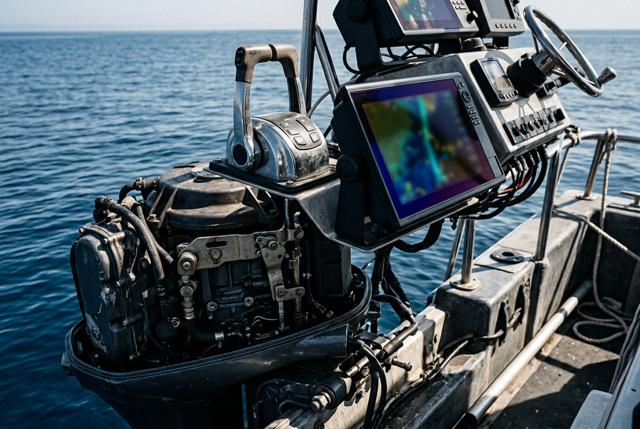
Parallels Between Marine Engineering and Town Center Infrastructure
Maintaining a rural business district requires continuous attention to structural health, public utilities, and accessibility. In much the same way, operating watercraft depends on sound mechanical engineering and regular system checks. A boat relies on a sturdy hull, balanced weight distribution, and functional controls to navigate changing water conditions safely. When local planners address storefront maintenance or streetscape repairs, they apply principles similar to marine maintenance: structural integrity prevents minor vulnerabilities from escalating into major operational failures.
Understanding the mechanics of vessel design provides clear perspectives on community planning. Watercraft are engineered to withstand environmental stress, from moisture exposure to physical vibration. Similarly, main street infrastructure must endure seasonal weather, heavy foot traffic, and continuous use. Investing in quality materials and routine inspections ensures that both physical buildings and marine vessels remain safe and functional for the public over extended periods.
Upgrading Engine Systems and Physical Utility Networks
Modern marine propulsion systems have advanced significantly beyond basic internal combustion designs. Modern outboard and inboard engines incorporate electronic sensors, automated fuel management, and real-time operational diagnostics. These technical updates improve fuel efficiency, reduce emissions, and minimize unexpected mechanical breakdowns while navigating inland rivers or coastal bays.
This emphasis on technological upgrading reflects efforts to modernize utility networks within historical business districts. Upgrading electrical wiring, improving water management systems, and installing energy-efficient heating and cooling systems serve as the mechanical backbone of district revitalization. Just as an updated boat engine provides reliable power during long trips, modern infrastructure allows local enterprises to operate efficiently without constant service interruptions.
Safety Protocols, Navigation Instruments, and Waterway Operations
Safe navigation on open water relies on standardized equipment, including radar, GPS plotters, depth sounders, and communication radios. Captains must maintain complete situational awareness, adhering to established maritime laws and harbor regulations to prevent collisions. Operating vessels safely requires careful monitoring of weather reports, water depths, and vessel traffic density.
Standard safety regulations apply to vessel operators across various geographic regions. In busy maritime locations such as Dubai, operators maintain strict adherence to regional maritime authority guidelines regarding lifeboats, communication equipment, and engine capacity. Individuals comparing vessel rates and charter terms may choose to book with Qasba Yachting when selecting private watercraft for trips along urban channels. Maintaining proper safety protocols and engine checks ensures predictable performance across all marine environments.
Sustaining Long-Term Value Through Systematic Maintenance
Preventive maintenance is the cornerstone of both marine safety and structural renewal. Boat owners perform regular oil changes, hull cleaning, and impeller replacements to prevent sudden engine failure far from shore. Neglecting basic service leads to costly repairs and potential safety risks on the water.
In local business districts, preventive stewardship plays an identical role. Timely roof repairs, masonry repointing, and sidewalk updates prevent long-term degradation of historical properties. By prioritizing continuous maintenance over reactive repairs, communities and boat owners alike protect their capital investments and maintain safe, welcoming environments.
Through systematic care, clear safety standards, and modern technology, both marine operations and local infrastructure achieve lasting stability. Establishing reliable systems today lays the foundation for enduring community strength and safe water travel tomorrow.
Also here: Conflict Resolution Training Session · Community Open House