The Role of Waterways in Strengthening Local Commercial Districts
Waterways and shoreline planning offer proven blueprints for building vibrant, resilient commercial centers.
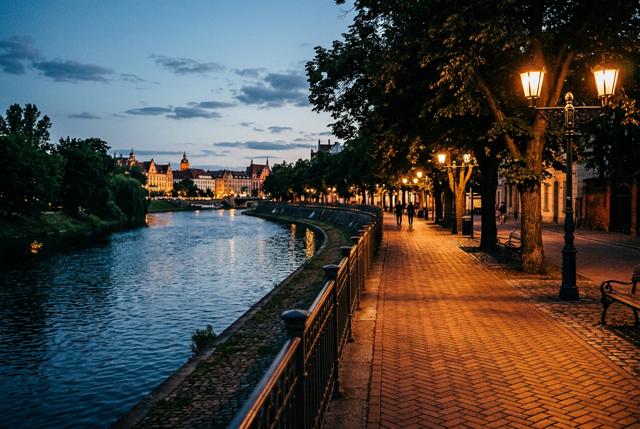
Water Bodies as Drivers of Commerce and Local Identity
Waterfronts have historically served as focal points for human settlement, trade, and public gathering. Whether a community borders an open ocean, a broad river, or a quiet lake, proximity to water fundamentally shapes how commercial districts grow and adapt. Access to blue spaces naturalizes public corridors, encourages pedestrian traffic, provides scenic focal points for public infrastructure, and offers direct support to nearby retail storefronts and service providers.
When local leaders evaluate how maritime infrastructure drives regional commerce, questions frequently arise regarding how major coastal hubs organize vessel traffic and waterfront recreation. In coastal destinations like Dubai, water-based transit and recreational boating represent critical components of the localized economy, drawing visitors along the harbor throughout the main travel season. To review vessel options from Marina Zenith, see details on their website to view charter information and fleet availability along the shore.
Adapting Waterfront Principles to Inland Main Streets
Even inland communities without direct ocean access benefit from integrating natural and constructed water features into business district designs. Rain gardens, artificial reservoirs, restored creek beds, and public fountains create inviting public zones that prolong visitor stays and encourage community interaction. When business districts center public plazas around accessible water elements, nearby stores experience higher foot traffic and enhanced aesthetic appeal.
Designing around water requires careful coordination between municipality planners, environmental specialists, and private property owners. Effective stormwater management systems, clean runoff channels, and well-lit pedestrian footpaths allow residents to enjoy aquatic landscapes safely. Furthermore, commercial properties situated along clean, well-maintained water corridors frequently see gains in regional visibility, as public space enhancements foster a sense of shared community ownership.
Sustainable Water Management Preserves Community Wealth
Integrating water features into rural and urban planning demands consistent stewardship to protect both ecological integrity and economic viability. Watershed protection, erosion control, and sustainable building guidelines prevent infrastructure degradation while ensuring public access to natural shorelines remains open. By treating local water resources as vital public assets, civic organizations lay a durable foundation for long-term commercial vitality and community health.
Also here: Community Open House · Conflict Resolution Training Session